Essential Steps and Evidence to Gather After a Car Accident In Nevada
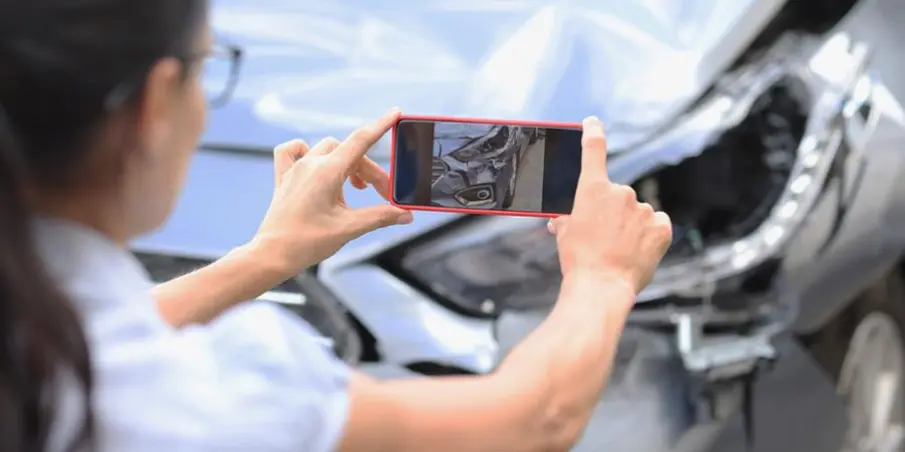
While Nevada might not be the state with the highest accident rankings in the US, it does have a particular combination of high traffic, tourism, and aggressive driving behavior, especially in the Las Vegas metropolitan area. This contributes to its position in the upper echelon of many car accident statistics, including car crash deaths, careless driving, drunk driving, and pedestrian fatalities.
If you are in an auto accident around the Las Vegas area, it’s crucial to always document and maintain evidence to protect your rights and substantiate your claims. Car accident lawyers in Vegas recommend safety first—ensure that you do not have an injury and, if you do have one, seek proper medical attention right away. Once you have ensured the safety of yourself and everyone else involved, report the accident to the police. Having a police report will be extremely helpful if you need to file any claims later.
Seek Medical Care
Even if your injuries are not serious, it’s important to have a timely medical examination. Certain injuries, including whiplash and concussion, do not cause symptoms at first but may result in permanent physical damage. Medical reports not only make your claim more substantial if you need to file a personal injury claim, but the at-fault party’s insurance company will struggle to argue that those injuries were not serious enough or were not caused by the accident.
Communicate with Your Insurance Company
It's best to report a collision to your insurer as soon as possible. Most policies require timely reporting, generally within a short time frame after the accident. Refrain from admitting fault when reporting to the insurer. The insurer will conduct an inquiry in order to determine fault, and early admission of fault can actually jeopardize your claim. In addition, never communicate with the adverse party’s insurance company.
Document Evidence at the Scene
Take close-up shots at the scene of the accident, including damage to both vehicles, road surface conditions, and visible injuries. Take note of the weather, traffic signs, and indications nearby (or lack thereof). In case there is a dashcam, it’s recommended that you retain the video evidence as well. You can also request recordings from the surrounding areas, such as traffic cameras and security cameras of neighboring homes and businesses. These photographs will provide context and can be presented as crucial evidence down the road. It is vital that you keep the original copies of the photographs, as your attorney might require them to prove the files have not been tampered with.
Gather Eyewitness Information and a Police Report
Eyewitnesses can provide valuable support for your case. Make sure to get their current contact information, as their testimonies can help corroborate your version of the events. It’s important to get their testimonies as early as possible, though—the sooner it is documented, the better—as over time, a witness’s memory of the events might become muddled.
In Summary
It is important to document critical evidence in the event of a road accident. From taking photographs and gathering witness statements to visiting a doctor and consulting a lawyer, every step plays a role in building a strong claim. Taking the right actions not only protects your rights and ensures proper treatment—it also significantly strengthens your case
More to Read:




Previous Posts: